

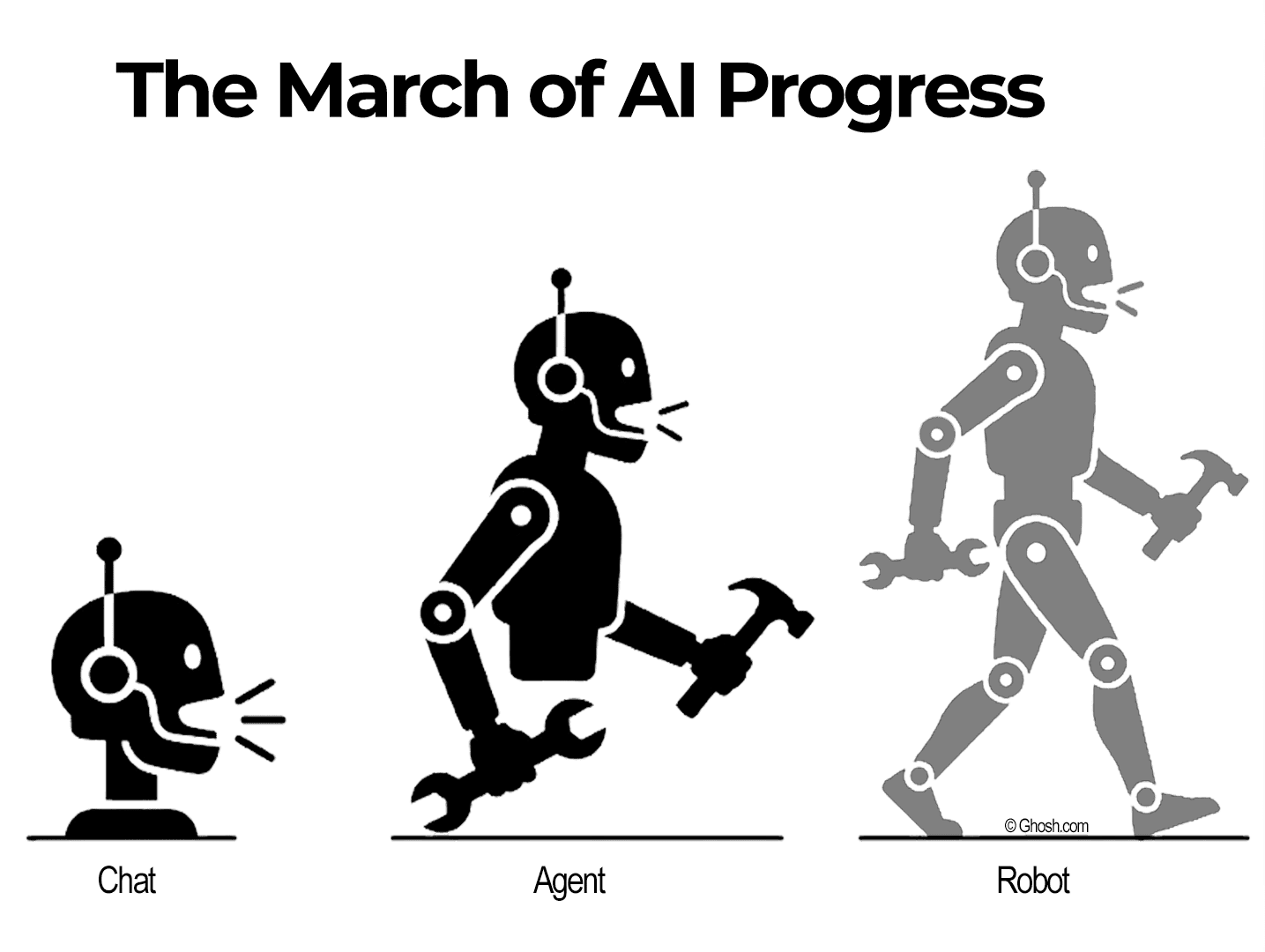
The Next Wave Is Already Here: AI Agents
About two years ago, I started nudging people I care about toward AI chat. Not as a novelty, but as something worth paying attention to. Something that would matter.
Today, I’ll be blunt: if you still haven’t tried it, you’re behind.
But that’s not even the point anymore.
We’re already moving into the next wave.
AI Chat Was Step One. Agents Are Step Two.
AI chat was the on-ramp. Ask questions, get answers, speed things up.
Useful, yes. But still passive.
AI agents are different.
They don’t just answer. They do.
They produce work. Real output. Files, code, analysis, actions. They take direction and run with it.
If you’re a programmer, you’ve seen this coming. Agents have been writing code—relentlessly—for the past couple of years. Fast, tireless, and increasingly competent.
Now those same capabilities are being packaged for everyone else.
What Makes Agents Different
The key shift is this:
You run them locally (or semi-locally), and you give them controlled access to your world.
- Your files
- Your apps
- Your accounts
- Your workflows
That’s where the magic happens.
Instead of asking a question and copying an answer, you’re delegating tasks. You’re building a layer between you and the work.
Yes, it’s early. There’s friction. There’s a learning curve.
But the upside is not subtle.
The people who invest a little time now are going to compound that advantage fast.
A Spectrum of Personalities (and Capabilities)
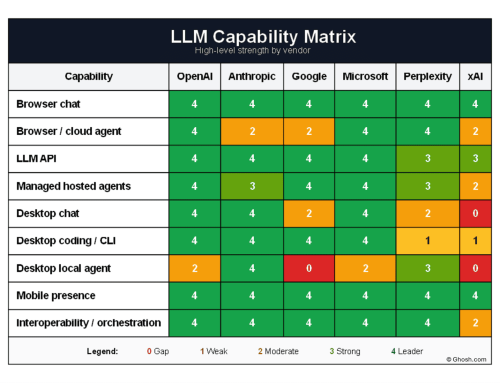
Not all agents are created equal.
Some feel like pirates with a keyboard—powerful, chaotic, and a little unpredictable (think tools like OpenClaw).
Others feel more like corporate middle managers—safe, polished, but sometimes… limiting (hello, Microsoft Copilot).
You’ll find your preference somewhere on that spectrum.
Where I’d Start Right Now
If you want a practical entry point, I’d point you to Claude Cowork by Anthropic.
Not a sponsorship. Not a pitch.
Just a solid balance of:
- Capability
- Safety
- Usability
It’s one of the few places where the promise of agents actually starts to feel real without overwhelming you.
Getting Started (Watch These First)
1. Simple Intro (How To Get Started)
2. What It Looks Like When Someone Really Uses It
3. Skills = The Real Unlock
4. Real-World Use Case (Finance)
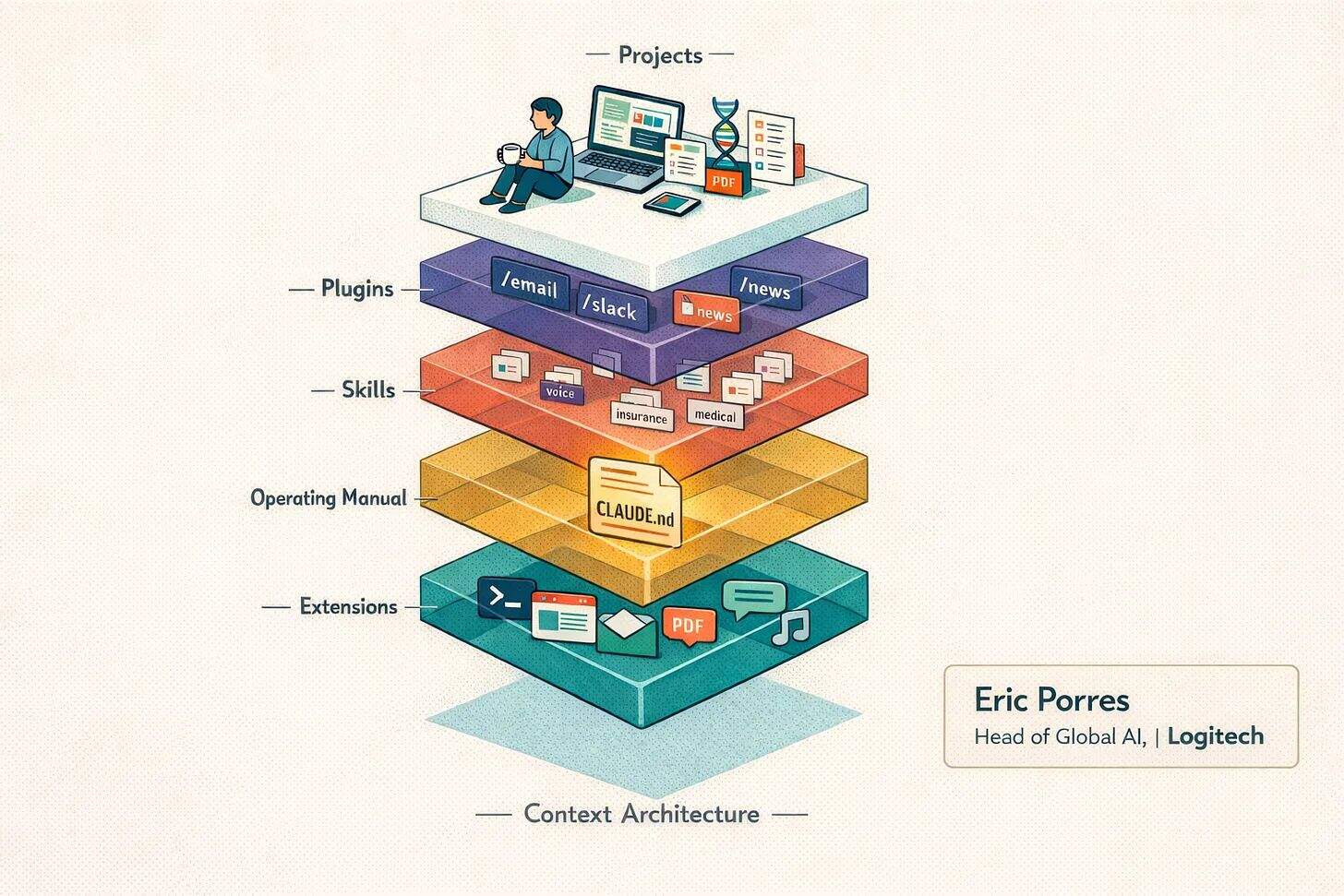
5. Five Layers
Here’s a good guide by Eric Porres on how to build your Cowork capabilities by leveraging all five of its capability layers:
One Concept Worth Paying Attention To: “Skills”
If you’re technical, think of skills as natural-language subroutines.
Reusable chunks of capability you can call on demand.
This is where things get interesting:
- You stop prompting from scratch
- You start building systems
- You accumulate leverage over time
That’s the shift most people haven’t internalized yet.
Where This Is Going
I’m still figuring out my long-term seat on this train.
Builder? Operator? Investor? All of the above?
But I’m certain about one thing:
This is not a side trend.
This is a new layer of how work gets done.
And once you cross the line and actually start employing agents in your workflow, you’ll remember it. It’s a clear before-and-after moment.
So you might as well make that shift sooner rather than later.


Leave A Comment